Climate Action Plan 2026
We are committed to complying with the DfE requirement to move our early years setting towards net zero by 2050. This means reducing our carbon footprint, embedding sustainability in the curriculum, engaging parents in this aim and working with the local community.
Our sustainability aims
We are working towards the Government’s sustainability aims by:
- Including elements of the UN Sustainable Development Goals (2015) in our curriculum.
- Spending time outside every day, learning about the weather, seasonal changes, planting, growing etc.
- Teaching children how to monitor our carbon footprint in the setting.
- Engaging parents in their children’s sustainability curriculum.
- Working with colleagues to support local community projects.
Looking ahead
We recognise that we have a bigger role to play in the Government’s aim to reach net zero by 2050.
- We want to further improve our curriculum.
- We want to reduce our carbon footprint even more and we will challenge ourselves to improve our sustainability through termly reflection and planning future projects.
- We want to review how well we share information with parents and improve engagement.
- We are always looking for new projects to get involved in within the local community.
The four main areas
As part of the DfE net zero aims by 2050, The DfE states that Early Years Providers need to write a climate action plan. DfE states that our climate action plan should cover 4 main areas of provision:
Decarbonisation
We are committed to reducing carbon emissions by, for example:
- Becoming more energy efficient by using LED lightbulbs where possible and turning them off when we leave the room, closing doors where automatic lighting exists, turning off electrical points when not in use.
- We are an outdoor learning nursery. When inside we will aim to keep heating appliances to a minimum, we will continue to encourage parents and carers to dress their children in additional warm clothing and provide outdoor waterproofs. Staff will also wear warm outdoor clothing when appropriate, this will alter as seasons change, heating appliances are not used in warmer weather.
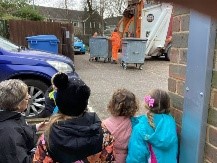
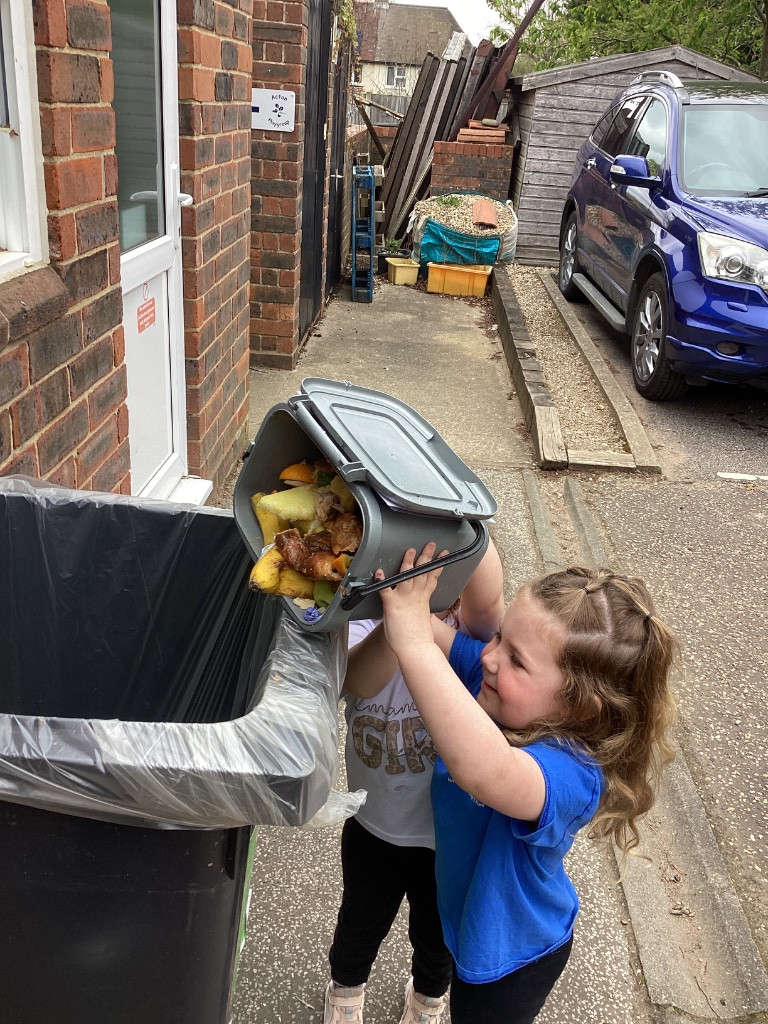
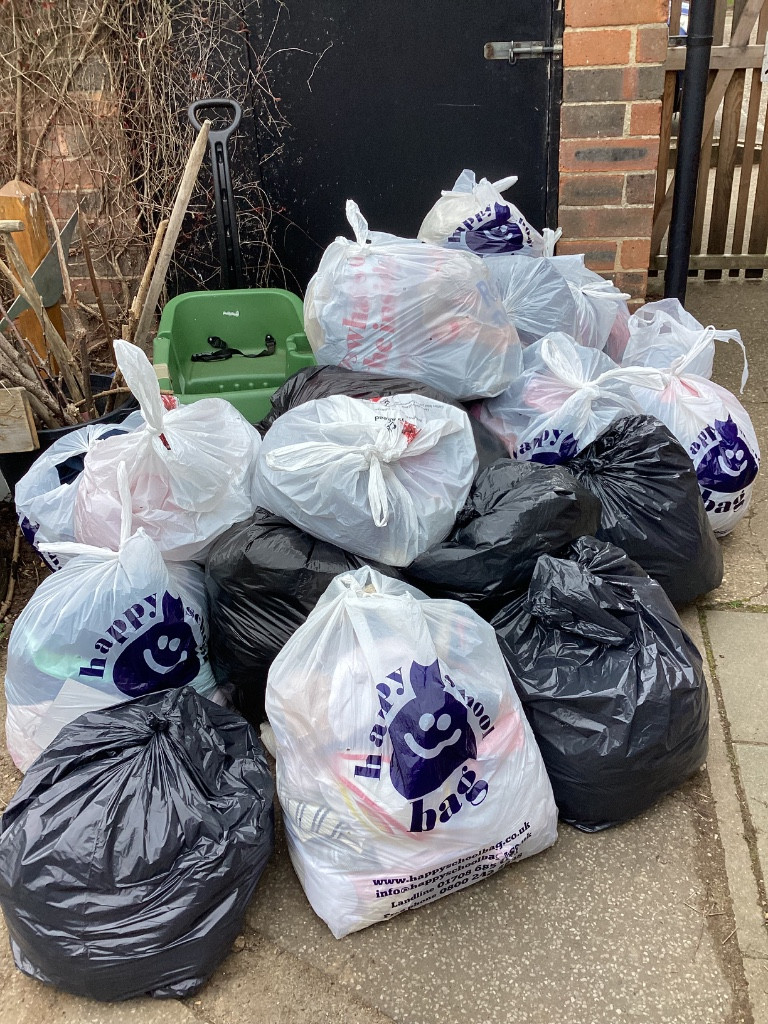
- Reducing waste and recycling. We will continue to encourage the children to help us reduce waste by taking home their lunchtime recycling, Parents currently support this plan and are recycling packaging at home. We encourage parents to make and provide lunch in washable tubs.
- Monitoring and reducing the use of carbon emissions. We have families that already walk to school, this can be improved and monitored. We will be joining in with the annual walk to school week, plus supporting the children’s understanding of the importance of walking where we can.
Adaptation and resilience
We are committed to taking actions to reduce the risk of impact from climate change, for example:
- Teaching children about the world around them. Our setting is situated in a very green and nature filled environment, which we embrace every day. We have a well organised Forest School for our preschoolers. We run a gardening club, which offers the children a rich learning experience particularly in knowledge and understanding of the world, through science experiments, planting and growing food, nurturing the seedlings and plants and then selling to our families and local village. We have a number of age-related stories about the world we live in and use these as part of the curriculum for information and stories.
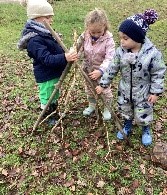
- Spending time in nature every day. As an outdoor Nursery we believe greatly in free flow learning and are fortunate to have nature enriched gardens.
- Protecting wildlife in our garden and the local community.
- We care for our local birds and mini beasts by making bird feeders and mini beasts’ sanctuaries plus making our own bird boxes. We have a bee hydration station.
- Through play and learning we teach the children about the wider environment, and their local communities.
- Environmentally friendly routines. We have clear labelled bins for tissue and hand towels. Our children know that their lunchtime packaging needs to go home in their lunchboxes for recycling. We have in place a regular handwashing routine, we encourage them to think about and maintain a clean environment, especially after playing outside, after toilet and before mealtimes. At snack time we try to reduce food waste by encouraging the children to only take what they are going to eat.
- We work with Tesco and Fare share to help tackle food poverty while preventing environmental damage caused by waste.
- We involve children in sorting and recycling materials from nursery packaging, have a box for recycled material that the children can use and explore.
- We use refillable containers for hand soap and cleaning products.
- Managing water and teaching the children to reduce water wastage (new taps that automatically turn off are on our action plan) The children bring to school their own reusable water bottles. We teach the children to turn off taps and discuss how water is a precious resource. Our children love water play and it has been recommended in the EYFS that children experience it as part of their learning. As a nursery on rainy days, we encourage the children to catch rainwater using various containers so they can use it in their play. When a water tray is being tap filled, we will keep it to a minimum, being mindful of water waste, this will be explained to the children and learnt through their play. We will Re-use water from water play, for washing outdoor play equipment and watering plants we can collect rain in a water butt
Biodiversity
We are committed to taking actions to reduce the risk of impact from climate change, for example:
- Collecting waste to compost in our garden. Currently we have grounds people to cut grass areas and clear areas of dense foliage. We will begin to make plans for a designated composting area for small gardening waste and engage the children in gardening duties.
- Feeding the birds. Currently we have curriculum-based activities around bird watching and making bird feeders. We will now include snack fruit and vegetable leftovers when feeding the birds.
- Acton Playgroup have been growing and releasing butterflies for a number of years, it is a very popular part of our curriculum. The children learn about bees and bee hydration, we have bee hydration stations. We are teaming up with the a local group to celebrate World Bee day.
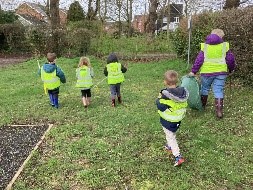
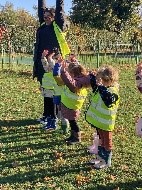
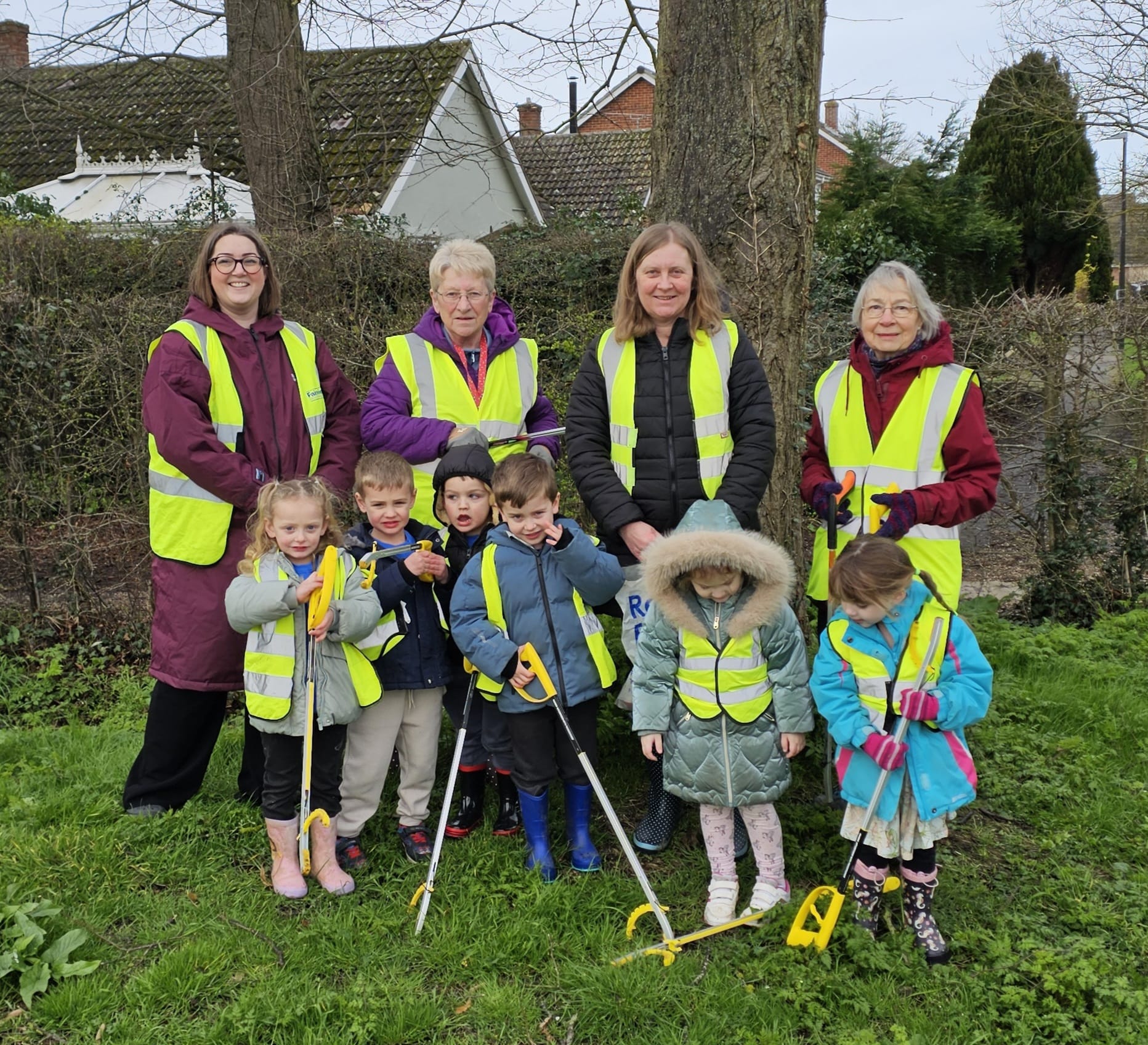
- We join our local village litter pickers acting as a direct environmental improvement measure supporting the children’s understanding of how it fosters community responsibilities.
- Planting in the garden, using collected seeds and recycled plant pots. We encourage the children to plant seeds at preschool then grow them at home, returning them to preschool to celebrate their achievements.
Climate education and green careers
We are committed to our children being educated about climate education and given opportunities that will prepare them for learning more about sustainability and life-long learning, for example:
- Learning more about climate change so we can share the information with the children.
- Including science, technology and maths learning in our curriculum to support climate change.
- Planning weekly activities which teach children about nature and the natural world.
- Continued use of our garden growing and selling our produce
- Working with our local community to demonstrate to our children what their role is in improving our environment
Our activities in pictures